ClientA European steel building envelope manufacturer
SprintAn 8 to 10 week sprint
Fieldwork30 manufacturers profiled across 3 technology families
Strategy and Commercial Excellence
The roof has to pass as glass
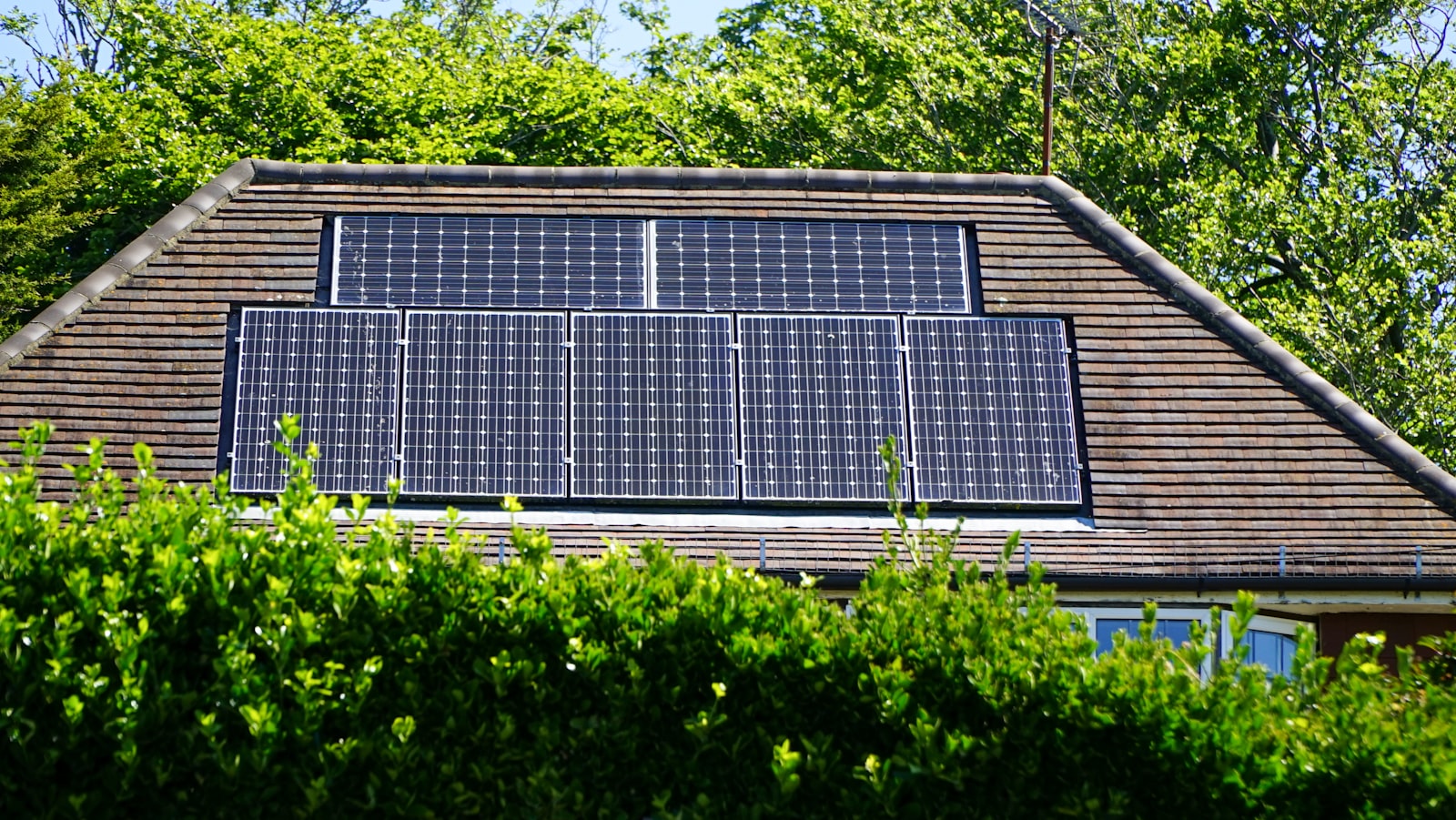
A European steel building envelope manufacturer wanted to put solar into the roofs and facades it already sells, and needed a partner to develop the product with. The obvious place to look is the solar industry. That turned out to be the wrong list.
30
Solar and building integrated PV manufacturers profiled
4
Named as candidates for a near term launch partnership
3
European standards a panel must meet to count as a building element
A note on sourcing. Every figure here comes from a SprintlyWorks client engagement. Clients are described, never named. This was a scouting sprint, so the numbers below describe the work done and the field assessed, not a result achieved after implementation.
01
The problem
The client sells roofing sheet and insulated sandwich panels into industrial and commercial buildings. Adding solar looked like a product extension. It is not. The moment a panel generates electricity it has to satisfy two separate regimes at once, construction and electrical, and the client had no way to tell from the outside which manufacturers could actually build something that passes both.
They did not need a market report. They needed a shortlist they could pick up the phone to, and a reason to believe the names on it.
02
The gate is the building code, not the solar spec
In Europe a building integrated panel is treated as a glazing component rather than as equipment bolted onto a structure. That single classification decides most of the shortlist before commercial fit is considered at all.
Three standards do the work. Together they rule out backsheet modules entirely, which is to say most of the volume solar industry, however good the cells are.
European compliance gate
What a panel has to survive before it is a building
The three standards that decide whether a supplier can be considered at all.
| Standard | What it governs | What it rules out |
|---|---|---|
| EN 14449 | Laminated safety glass. The panel is treated as a glazing component, not equipment | Backsheet modules. Glass to glass construction only |
| EN 13501, class B-s1,d0 | Fire reaction for construction materials | Anything with flame spread, smoke or flaming droplets above class |
| IEC 61215 and IEC 61730 | PV durability and electrical safety | Modules without thermal cycling, moisture and insulation certification |
How to read this → The useful partner is a facade grade building integrated PV supplier that has already certified to building standards, not a conventional module manufacturer with a good cell. Applying this test first cut the field faster than any commercial criterion, and it is the part the client could not have run alone.
SprintlyWorks analysis
03
What was handed over
Thirty manufacturers were profiled across three technology families: crystalline silicon, perovskite and perovskite silicon tandem, and thin film. Each was assessed on certification history, building integration experience, manufacturing scale and willingness to co-develop rather than simply supply.
Four were named as candidates for a near term launch, all of them glass to glass silicon with existing facade certification. Perovskite tandem was assessed as a three to six year option rather than a launch technology, on stability under moisture and UV and on manufacturing scale not yet reached. Thin film was recorded as a long term hedge, valuable for weight and flexibility, too early for a first product.
One finding paid for the sprint on its own. Among the strongest technical candidates was a manufacturer that already sells a competing integrated roof system of its own, which makes it a poor partner for a co-developed product and an awkward one to discover late in a negotiation.


Launch Your Sprint with